

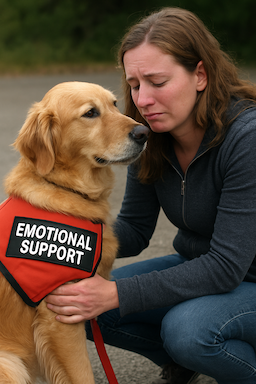
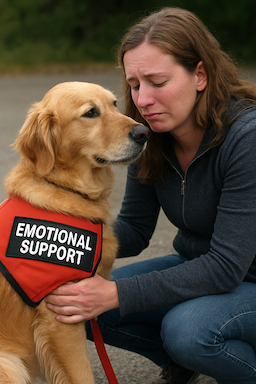
What Is Service Animal Therapy?
Service animal therapy involves trained animals working with a handler and a licensed professional to support treatment goals.
Most therapy animals are dogs, but cats, horses, and even rabbits can be used. These animals are calm, friendly, and trained to interact safely with people.
Important: Therapy animals are different from service animals.
-
Service animals perform specific tasks for people with disabilities
-
Therapy animals provide comfort and emotional support in structured settings
Animal-assisted therapy has existed since the mid-20th century. Hospitals noticed patients felt better after spending time with animals. Today, it’s widely used in mental health care.
How Therapy Animals Improve Mental Health
1. Reduce Anxiety and Stress
One of the biggest benefits of therapy animals is their ability to calm anxiety.
Spending time with an animal can:
-
Lower stress levels
-
Help you stay present in the moment
-
Interrupt negative thought patterns
Simple actions like petting a dog can have an immediate calming effect.
Research shows that being with animals can lower cortisol, the stress hormone. It can also raise oxytocin, which helps you feel calm and connected.
2. Improve Mood and Depression Symptoms
Therapy animals can also help people struggling with depression.
They encourage:
-
Daily activity (like walking or playing)
-
Social interaction
-
A sense of purpose through caregiving
For example, people in assisted living facilities often become more engaged and positive after visits from therapy animals.
3. Support Emotional Regulation
Animals provide a safe, non-judgmental presence. This can help people:
-
Manage strong emotions
-
Build confidence
-
Practice social skills
In therapy sessions, clients may interact with an animal as a first step before facing more challenging situations.
What Research Says About Animal-Assisted Therapy
Studies show that animal-assisted therapy can:
-
Reduce anxiety in children during medical procedures
-
Improve social skills in individuals with autism
-
Increase happiness and engagement in older adults
Because of these results, many hospitals and mental health programs now include therapy animals.
Are There Limitations?
Yes—while research is promising, it’s still developing:
-
Some studies are small or inconsistent
-
Long-term benefits need more research
-
Results vary by individual and setting
Still, the overall evidence supports the positive impact of therapy animals.
Where Therapy Animals Are Used
Therapy animals are now used in many everyday settings:
Hospitals
They help patients feel calmer before procedures and reduce stress during recovery.
Schools
Programs often include:
-
Reading to therapy dogs
-
Social skills development
-
Emotional support for students
Counseling and Therapy
Mental health professionals use animals to:
-
Build trust with clients
-
Support trauma therapy
-
Improve engagement in sessions
Community Programs
Libraries, veteran centers, and shelters often host therapy animal visits to promote comfort and connection.
Everyday Benefits of Pets for Mental Health
You don’t need formal therapy to benefit from animals. Pets at home can also improve mental well-being.
Build Healthy Routines
Pets create structure in your day:
-
Feeding schedules
-
Walks and exercise
-
Daily responsibilities
This routine can help reduce anxiety and improve mood.
Reduce Loneliness
Pets provide constant companionship, especially for people who live alone.
They can also:
-
Encourage social interaction (like meeting other pet owners)
-
Provide emotional comfort during difficult times
Simple Tips to Maximize Benefits
To get the most mental health benefits from a pet:
-
Spend 10–20 minutes daily interacting with them
-
Keep a consistent routine
-
Choose a pet that fits your lifestyle
-
Stay on top of training and health care
Safety and Ethical Considerations
While therapy animals offer many benefits, it’s important to use them responsibly.
Animal Welfare Comes First
-
Animals should be trained and well cared for
-
They need rest and monitoring for stress
-
Handlers should be properly trained
Not Everyone Is a Good Fit
Animal therapy may not work for people with:
-
Allergies
-
Fear of animals
-
Certain medical conditions
Managing Risks
Programs should include:
-
Hygiene practices (like handwashing)
-
Vaccinated animals
-
Clear safety guidelines
Final Thoughts: Are Therapy Animals Worth It?
Service animal therapy is a powerful, natural way to support mental health.
Whether through structured therapy or everyday pet ownership, animals can:
-
Reduce stress and anxiety
-
Improve mood and motivation
-
Help people feel more connected
Even small interactions—like spending a few minutes with a pet—can make a big difference.
Key Takeaways
-
Animal-assisted therapy uses trained animals to support mental health
-
Therapy animals help reduce anxiety, stress, and depression
-
They are used in hospitals, schools, and counseling settings
-
Pets at home can provide similar emotional benefits
-
Safety, training, and proper care are essential